Ridge Shinn and How Grass-Fed Beef Production Has Changed Over Time
It's amazing how much American farmland has changed in the last twenty years, thanks to leaders like Ridge Shinn who have pushed for more sustainable farming methods. What started out as a small effort to make beef healthy has grown into a large movement that questions the way most livestock are raised. This idea behind 100% grass-fed beef is more than just taking care of animals; it's a complete rethinking of how we use the land, handle natural resources, and feed people. People who care more about their health and the health of the environment are becoming more interested in this method. This has opened up new market possibilities for farmers who are willing to use rotational grazing and holistic land management.
Ridge Shinn's Legacy in Sustainable Farming
Where the movement for 100% grass-fed beef came from
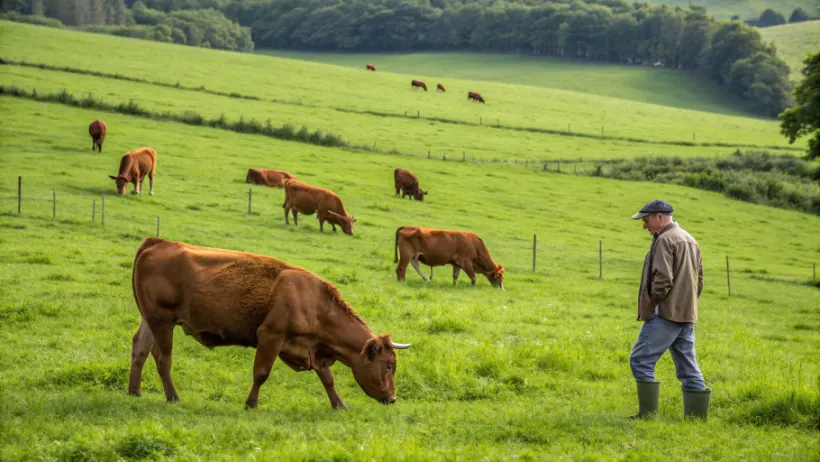
The current grass-fed beef trend started when people became more aware of the environment, learned more about nutrition, and had to cut costs. Ridge Shinn saw early on that industrial beef farming was putting too much stress on the land and on the comfort of animals. Traditional feedlots were good at getting animals to gain weight, but they were very expensive because they damaged the land, polluted the water, and made the food less nutritious. On the other hand, grass-fed systems were a return to farming methods that were more in tune with nature environments.
It took a lot of understanding and care to switch from conventional to grass-fed production. Early users had to deal with doubts from both the farming community and customers used to eating grain-finished beef. But as more proof came in that grass-fed beef was better for you—including higher amounts of omega-3 fatty acids and conjugated linoleic acid—people slowly changed their minds. Ridge Shinn beef became a symbol of quality and honesty, showing that environmentally friendly methods could work with making money.
What Rotational Grazing Systems Are Based On
Rotational feeding is the most important part of raising grass-fed beef cattle. Rotational systems split land into smaller paddocks and move animals around on a regular basis. This is different from continuous grazing, where cattle stay in the same field forever. This is similar to how wild ruminants normally behaved. In the past, they fed in groups that moved around a lot across areas. This practice gives fodder plants enough time to heal, encourages deeper root growth, and stops overgrazing, which can damage the soil by compacting it and washing it away.
Rotation frequency is affected by many things, such as temperature, forage species, stocking rate, and yearly trends of growth. Some farms move their stock every day, while others do it once a week or twice a week. Matching the amount of feeding pressure to the plant's ability to heal is important. Cattle should eat about a third of the available fodder, turn another third into organic matter by trampling it, and leave the last third for plants to keep growing. This balanced method keeps plants growing and adds organic matter to the soil at the same time.
Effects on the environment and soil regeneration
The environmental benefits of raising grass-fed beef go far beyond the farm where the beef is raised. When grazing systems are handled correctly, they store carbon dioxide from the air in soil organic matter and plant growth. Some of the carbon emissions that come from modern farms are actually reversed by this process. Diverse fields also provide a home for wildlife, keep watersheds healthy, and lower the need for synthetic herbicides and fertilizers. Through the Ridgeshinn method to land management, we can see how animals can be used to help restore ecosystems instead of hurting them.
Rotational feeding makes a noticeable and important difference in the health of the soil. Farms are better able to handle both drought and floods when they have more organic matter in their soil. The variety of microbes in the soil grows, which helps the cycle of nutrients and plants' defenses. With each passing year, these changes add up to make farming systems that are more productive and long-lasting.
How to Understand Quality Standards for Grass-Fed Beef
A look at the nutrition of different feeding methods
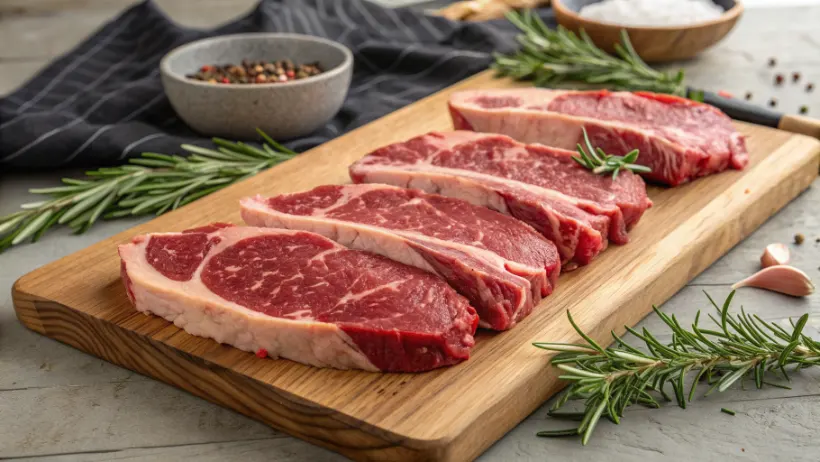
How the cattle are raised and finished has a big effect on the nutritional value of beef. It is common for grass-fed beef to have higher levels of healthy proteins and lower levels of fat generally. These differences are important for everyone who wants to know what the real value of grass-fed goods is, not just people who care about their health.
| Nutrient Component | Grass-Fed Beef | Grain-Fed Beef | Health Benefits |
|---|---|---|---|
| Omega-3 Fatty Acids | 2-5x higher | Baseline | Lowers inflammation and supports heart health |
| Conjugated Linoleic Acid (CLA) | 3-5x higher | Baseline | May help fight cancer and improve metabolism |
| Vitamin E | 3-4x higher | Baseline | Protects cells from damage and supports immune function |
| Beta-Carotene | Significantly higher | Minimal | Converted to Vitamin A with antioxidant properties |
| Total Fat Content | 20-30% lower | Higher marbling | Affects taste profile and calorie count |
These health benefits come straight from what the animal eats. Grass and grass have chemicals in them that grain-based feeds don't have, and ruminants store these nutrients in their tissues. The longer horses stay on grass and eat a variety of plants, the stronger these health benefits become.
Needs for Certification and Benchmarks in the Industry
To be more open and build customer trust, the grass-fed beef business has come up with a number of licensing standards. The American Grassfed Association has some of the strictest rules. From the time they are weaned until they are harvested, cattle must only eat grass and fodder, not get antibiotics or growth hormones, and always be able to go to field. On the other hand, the USDA grass-fed label only talks about food and not about antibiotic use or animal care.
Certification is proof from a third party that the way things are made meets certain standards. For makers, certification can help them charge more for their goods and set them apart in crowded markets. But some small-scale farmers can't go through with the licensing process because it costs money and takes a lot of work. A lot of the time, Ridge Shinn and other businesses like it build trust with customers through openness and farm trips instead of official certification.
Health Benefits for Consumers and Market Demand
What makes grass-fed beef healthy is both what it has and what it doesn't have. Besides having more nutrients, grass-fed beef doesn't have any leftover drugs or synthetic hormones that are often used in standard production. This lack of pharmaceutical inputs gives people a lot of peace of mind who are worried about drug resistance or hormone exposure.
Grass-fed beef sales have been growing gradually over the past few years, with growth rates in the double digits. This growth shows that more and more people want to buy organic, locally grown, and sustainably made foods. Premium food stores now have grass-fed choices that stand out, and restaurants are putting more and more of an emphasis on grass-fed beef on their menus. But domestic production hasn't kept up with demand. This means there are chances for American farmers who are ready to deal with the difficulties of grass-based production.
Putting rotational grazing to use on your farm
Basics of Pasture Management
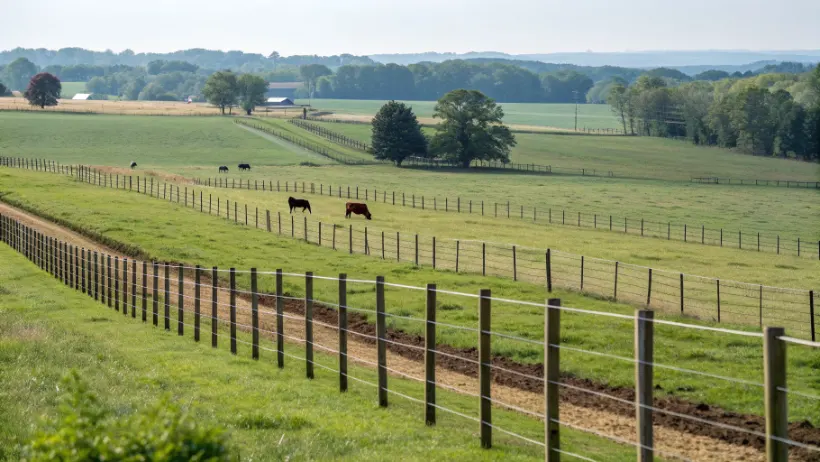
To do rotational grazing well, you need to know how pastures work and how plants grow. Different types of grass and legumes have different best grazing heights, recovery times, and yearly shapes for crop production. Some grasses, like orchardgrass and timothy, do not do well in the heat of the summer. Instead, they do well in the spring and fall. During the hot months, when cool-season plants are having a hard time, warm-season species like bermudagrass and switchgrass do well.
The infrastructure needed for annual feeding doesn't have to be too expensive, but it does need to be carefully thought out. Permanent fencing around the edges of the paddocks should be strong and well-kept. Temporary electric fencing that is easy to move as paddock sizes and shapes change can be used around the inside. Access to water in every paddock is important because cattle won't feed in places that are far from water, which wastes food and makes the pastures less useful.
Important Steps for Rotation Systems to Work
Rotational feeding needs to be carefully planned out and adjusted all the time. If you want to switch from continuous grazing to a different method or set one up on new land, follow these steps:
- Think about the type of soil, the terrain, and how easy it is to get to water when you split your farm land. Set up paddocks that are big enough to give your animals one to three days of grazing, so that the grass can grow back properly between grazing events. Smaller paddocks usually get better results, but they need to be moved and set up more often.
- Carefully figure out stocking rates to match the nutritional needs of animals with the output of the food. Overstocking causes pastures to get damaged by too much grazing, while understocking loses the chance to be useful. Start slowly and make changes based on how the field recovers and how the animals are doing.
- Set up a rotating plan that takes into account the different growth rates of the fodder that depend on the season and the weather. During the height of spring growth, you might feed paddocks every 20 days, giving them 19 days off. When growth slows down in the summer, cycles may last for an extra 40 or 50 days.
- Test the soil and do botanical studies once a year to keep an eye on its health and the make-up of the field. Keep track of changes in the amount of organic matter, nutrients, and plant types. These signs show you if your management is adding to or taking away from natural capital.
- Create plans for managing drought and weather changes to keep the system strong during tough times. This could mean keeping hay on hand in case of an emergency, being able to add or remove paddocks from the cycle, or changing the size of the herd based on the fodder that is available.
Seasonal changes and climate factors to think about
One of the hardest things about raising grass-fed beef is dealing with changing weather. Unlike enclosed feeding operations, which always give the same food no matter what the weather is like outside, pasture-based systems have to constantly change with the seasons and weather. Forages usually grow quickly in the spring, faster than animals can graze. This means that farmers have to gather extra fodder and turn it into hay or silage. Heat stress and slower growth may happen in the summer, so animals may need less food or extra eating.
Grazing tactics are greatly affected by changes in climate between regions. In the south, fields may graze almost all year, while in the north, grazing seasons may be 150 to 200 days long, with long feeding times in the winter. Successful grass-fed farmers learn a lot about the weather trends in their area and set up management methods that work with these patterns instead of against them.
Strategies for managing risks in farming and running a casino
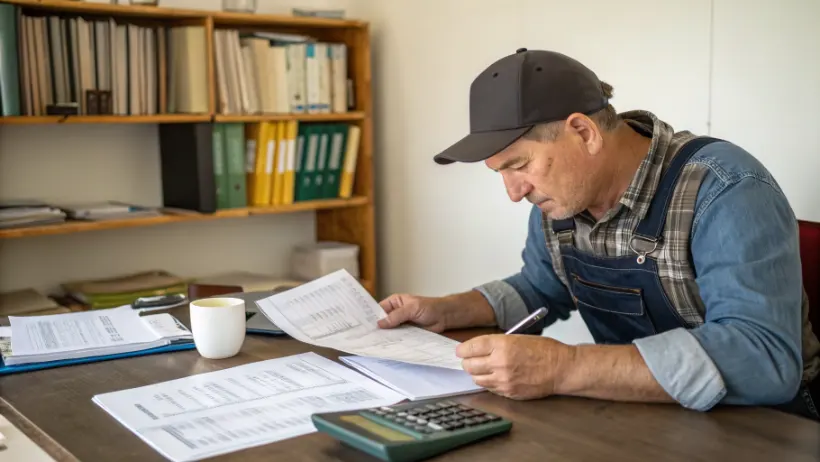
Decisions about farming and strategic games have a lot in common
Both farming and running a casino are inherently unsure fields where people have to weigh the risks and benefits of their choices. Farmers have to deal with changes in the market price, disease attacks, the weather, and rules and regulations. These are all things they can't completely control, but that still affect their success or failure. In the same way, both casino owners and strategic bettors work in probabilistic systems, which means that results can't be predicted exactly but can be changed by making smart choices.
Skilled casino planners and successful farmers both know that long-term patterns and odds are more important than single results. A single drought year or disease spread doesn't mean that a farming business can't make money, just like a losing streak doesn't always mean that you're not playing well. What matters is how things turn out over a lot of choice processes. This point of view needs mental control, which means being able to stick to good plans even when the short-term results aren't what you were hoping for. Ridgeshinn's method to farming focuses on the big picture, making farms more resilient by spreading out their investments and being careful with their money.
Important Rules for Handling Uncertainty in Both Fields
In both farming and games, strategic thinking is based on similar basic ideas that help people get through unclear situations:
- Figure out your real edge before you spend money or time on something. When it comes to farming, this means being honest about your skills, resources, and place in the market before putting money into new businesses. A grass-fed beef business can only be successful if it can raise good animals for less than what the market will bear. Similarly, gambling tactics only work when the player sees real advantages instead of what they think are chances.
- You should weigh your chances against your total cash and your ability to recover. When times get tough, farmers who take on too much debt will lose everything, just like bettors who bet too much on a single event risk losing all their money. Some agricultural uses could be keeping enough running funds, avoiding taking on too much debt, and increasing the number of income streams to reduce fluctuations in income.
- Use results to build systems that can learn and change. To handle risk well, you need to keep track of your choices and the outcomes so you can find trends and make better decisions in the future. To figure out what really makes a farm profitable, farmers should keep careful records of their input costs, returns, market prices, and management decisions.
- Know the difference between what you do and what you get. Random variation means that even a good choice can have a bad outcome. On the other hand, bad choices can sometimes work out because of luck. In rotating feeding, even if you follow best practices, things don't always go as planned because of weather and other factors.
- Learn to control your emotions and deal with stress so you can handle differences. Long stretches of time when things don't go as planned happen in both farming and competitive games. To be successful, you need to have the mental strength to keep making smart decisions during times of stress instead of giving up on good plans out of panic.
Ridge Shinn's Method for Smart Risk-Taking
Managing risks in agriculture in a smart way is shown by the Ridge Shinn plan for raising grass-fed beef. Instead of trying to make as much money as possible in the short term, this method focuses on creating long-lasting competitive benefits through healthy land, animal genetics, and market positioning. This long-term view is okay with slower growth and lower peak profits as long as it means the business is more resilient and can last longer.
This theory includes how to handle money and how to run a business. Firms that follow these guidelines tend to keep their debt levels low, save money during good years to protect themselves from expected bad years, and fight the urge to grow faster than their management can handle. Following these steps is similar to how smart gambling players handle their money, making sure that bad luck in one area doesn't hurt the overall chances of success.
Grass-fed beef production is good for the economy
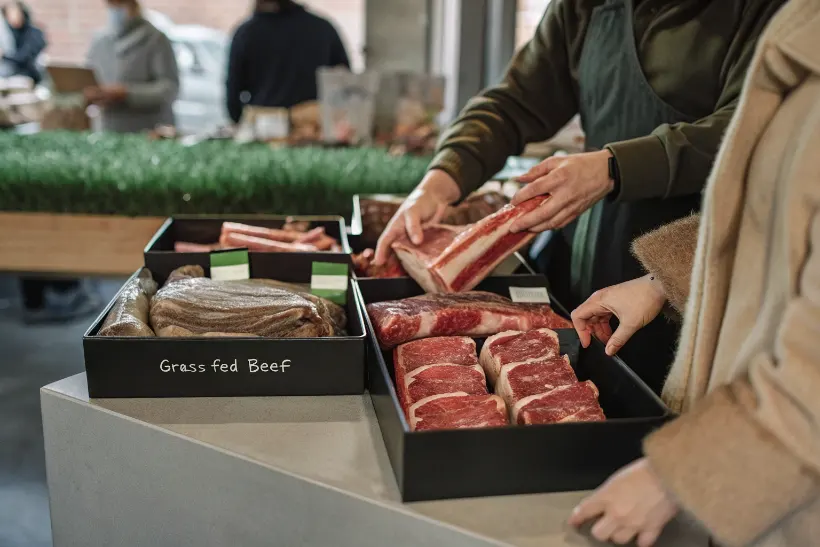
Metrics for measuring the financial success of regenerative farms
The costs of raising beef on grass are very different from those of standard feedlots. Due to higher prices, each animal may bring in more money, but grass-based systems usually take longer to produce and animals gain less weight than grain-based systems. This makes a completely different financial system that needs to be carefully looked at in order to be properly evaluated.
| Metric | Grass-Fed System | Conventional System | Key Considerations | Time Horizon |
|---|---|---|---|---|
| Time to Market Weight | 24-30 months | 14-18 months | Longer on grass-only diet | 2-2.5 years |
| Feed Costs per Animal | $200-$400 (pasture, hay) | $600-$900 (grain, supplements) | Land costs vs. purchased feed | Per animal cycle |
| Premium over Conventional | 30-80% | Baseline | Varies by marketing channel | Per pound |
| Operating Margin | 15-25% | 8-15% | Higher margins offset lower volume | Annual average |
| Capital Requirements | Higher (land, fencing) | Higher (facilities, equipment) | Different infrastructure needs | Initial investment |
These numbers are very different depending on where you are, how big your business is, and how you sell it. Businesses that sell directly to consumers, like at farmers' markets, online, or in farm shops, usually make more money than businesses that sell in bulk. The best way to do things rests on the skills of each operator and the markets that are available.
Positioning in the market and strategies for charging more
To successfully charge higher prices, you need to do more than just produce grass-fed beef. You also need to be able to communicate the value of your product to customers in a way that makes them believe that the higher prices are worth it. This is done by telling stories that connect the way things are made to things that people care about, like their own health, the welfare of animals, taking care of the earth, and helping local agriculture.
Different great businesses use different tactics to set themselves apart. Some places put an emphasis on local food and community involvement by asking customers to visit farms and meet the animals. Others talk about specific health benefits that have been proven by scientific tests. Customers have grown to trust the Ridge Shinn beef name over time because of its steady quality and open business practices.
Long-Term Profitability and Care for the Land
The most important thing to check about farming sustainability is whether or not policies keep or increase productivity over time while giving farmers enough money. When done right, grass-fed beef farming that follows the rules of rotational grazing meets this test. In contrast to extractive models, which make the land less fertile over time, restorative systems get stronger and more useful every year.
This path of improvement creates option value that isn't usually taken into account in traditional financial analysis. Over time, a farm that works in a sustainable way becomes more valuable, and not just because the land values go up. It also becomes more valuable because it can produce more. This natural wealth protects against rising costs of inputs, changes in the climate, and problems in the market.
FAQ
What exactly does 100% grass-fed beef mean?
Real grass-fed beef comes from cattle that only eat grass, forage, and hay from the time they are weaned until the end of their lives. They never get grain, goods made from grain, or supplements other than the minerals and vitamins their bodies need to stay healthy. This is not the same as "grass-finished" meat, where cattle may eat grain at first but then switch to grass for the last few months before being killed.
In what ways does rotational grazing better the health of the land compared to ongoing grazing?
Rotational grazing is like how herbivores normally behave: they eat heavily for a while and then move on, giving plants time to heal. This helps roots grow deeper, adds organic matter from crushed food, and stops overgrazing, which packs down the soil and kills plants. During the rest time, plants can grow back, store carbon, and build up their root systems. This creates a positive loop that makes the soil work better.
Is it possible to raise grass-fed beef in all kinds of weather?
Grass-fed beef production is certainly possible in most areas, but it can be hard in some places because of the length of the growing season, the way it rains, and the extreme temperatures. Northern areas with short grazing seasons need a lot of equipment for making hay and feeding animals in the winter. The important thing is to make sure that the breeds, stocking rates, and level of care are all right for the place where you live.
How much land do you need to make money raising grass-fed beef?
Land needs are very different depending on the temperature, the fertility of the land, the level of control, and the distance to the market. In humid areas, one cow-calf pair may be able to live on one acre of highly profitable pasture. In dry rangelands, however, each pair may need fifty acres or more. It's not the total amount of land that matters, but whether or not the land can support the size of herd you want to have while keeping or improving field conditions.
Which problems do new grass-fed beef farmers have to deal with the most?
New producers often have trouble learning how to handle grazing, finding the right markets, and keeping their cash flow steady during the long output cycle. Rotational grazing takes careful study and the ability to make decisions that comes from practice. Selling grass-fed beef at prices that cover the costs of production usually means getting to know direct customers instead of selling to bulk markets.
How is grass-fed beef different from regular beef in terms of taste?
Most of the time, grass-fed beef is leaner and has a stronger "beefy" taste that some people describe as having earthy or minerally notes. Because there is less marbling, there is less fat to carry taste ingredients. The way you cook something is very important. Because grass-fed beef has less fat, it can get tough if it's overdone, so it does better with lower temperatures and shorter cooking times.