
Rotational Grazing Systems and Controlled Risk Strategies
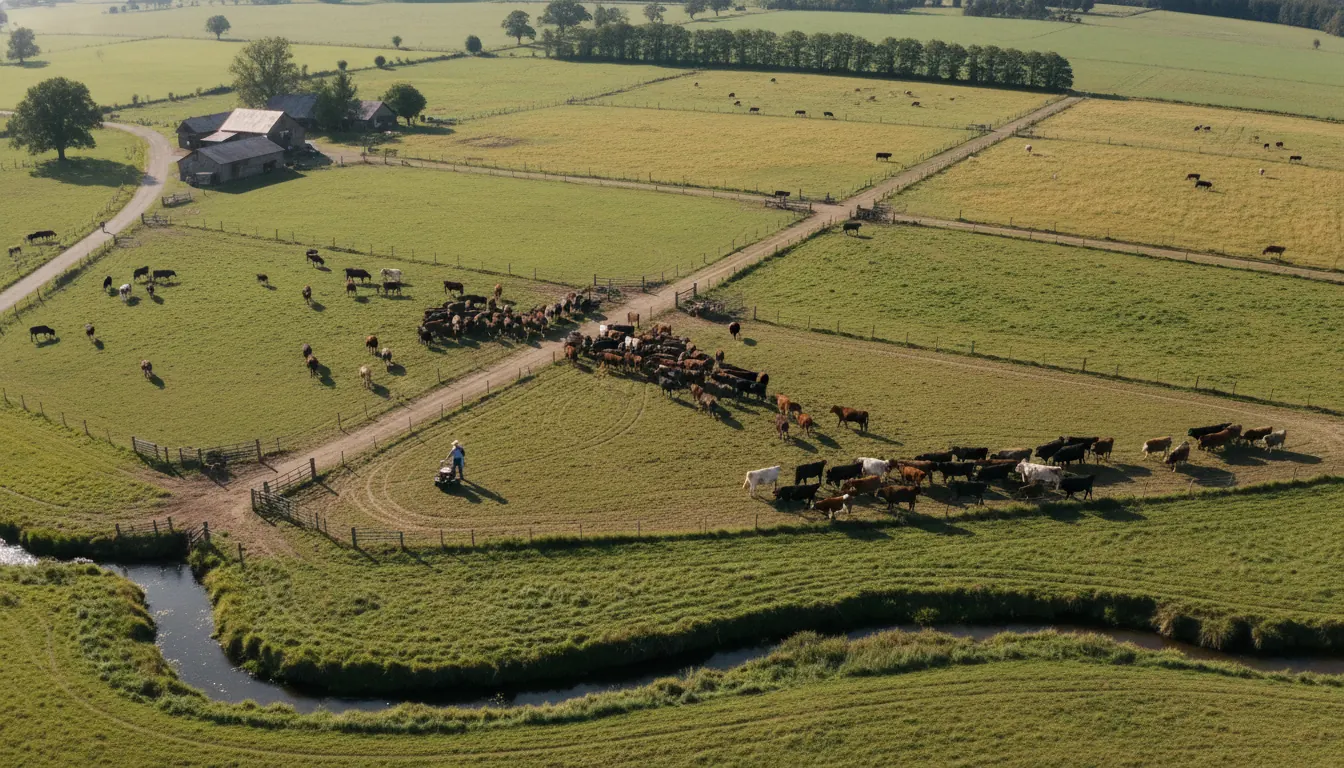
Rotational grazing represents one of agriculture's most elegant risk management strategies. By dividing pastures into smaller paddocks and moving livestock systematically, farmers create controlled environments where variables can be managed and outcomes predicted with greater accuracy. This systematic approach mirrors controlled risk strategies in competitive gaming, where careful planning, timing, and adaptation to changing conditions determine long-term success. Understanding these parallels reveals fundamental principles about managing uncertainty in any complex system.
Systematic Movement and Recovery Cycles
The core of rotational grazing lies in balancing grazing pressure with plant recovery capacity. Just as strategic players size their positions based on edge and variance, farmers must match animal numbers and grazing duration to forage availability and regrowth rates. This requires constant monitoring and adjustment based on actual conditions rather than rigid schedules. When executed properly, the system becomes self-reinforcing—improved pasture health increases carrying capacity, which generates more revenue that can be reinvested in better infrastructure and management.
- Paddock size and rotation frequency must adapt to seasonal forage growth rates and weather conditions
- Stocking density affects both immediate forage utilization and long-term pasture health and productivity
- Recovery periods between grazing events determine whether pastures improve, maintain, or degrade over time
- Water access and fencing infrastructure enable more precise control over grazing pressure and timing
- Monitoring pasture height and plant composition provides feedback for adjusting management strategies
Managing Variability Through Structure
Rotational grazing doesn't eliminate uncertainty—weather, markets, and biological systems remain inherently variable—but it provides structure that makes outcomes more predictable and manageable. This controlled risk approach shares key characteristics with successful gaming strategies.
| Risk Element | Rotational Grazing Approach | Outcome Benefit |
|---|---|---|
| Weather Variance | Flexible rotation speed and reserve paddocks | Maintains productivity during drought or excess rain |
| Forage Quality | Optimal grazing height and recovery timing | Higher nutrition and animal performance |
| Soil Health | Controlled trampling and rest periods | Increased organic matter and resilience |
| Economic Stability | Reduced input costs and premium pricing | Better margins and financial predictability |
"Rotational grazing transforms unpredictable pasture systems into managed environments where careful observation and timely decisions create consistent positive outcomes."
Adaptive Strategy and Continuous Improvement
The most successful rotational grazing operations treat their systems as living laboratories, constantly testing adjustments and learning from results. This mirrors how skilled strategists refine their approaches based on observed outcomes. Keeping detailed records of rotation schedules, pasture recovery rates, animal performance, and financial results enables farmers to identify patterns and optimize decisions over time. Ridge Shinn's emphasis on systematic observation and adaptive management demonstrates how disciplined execution of sound principles compounds into substantial competitive advantages that become more valuable with each grazing season.