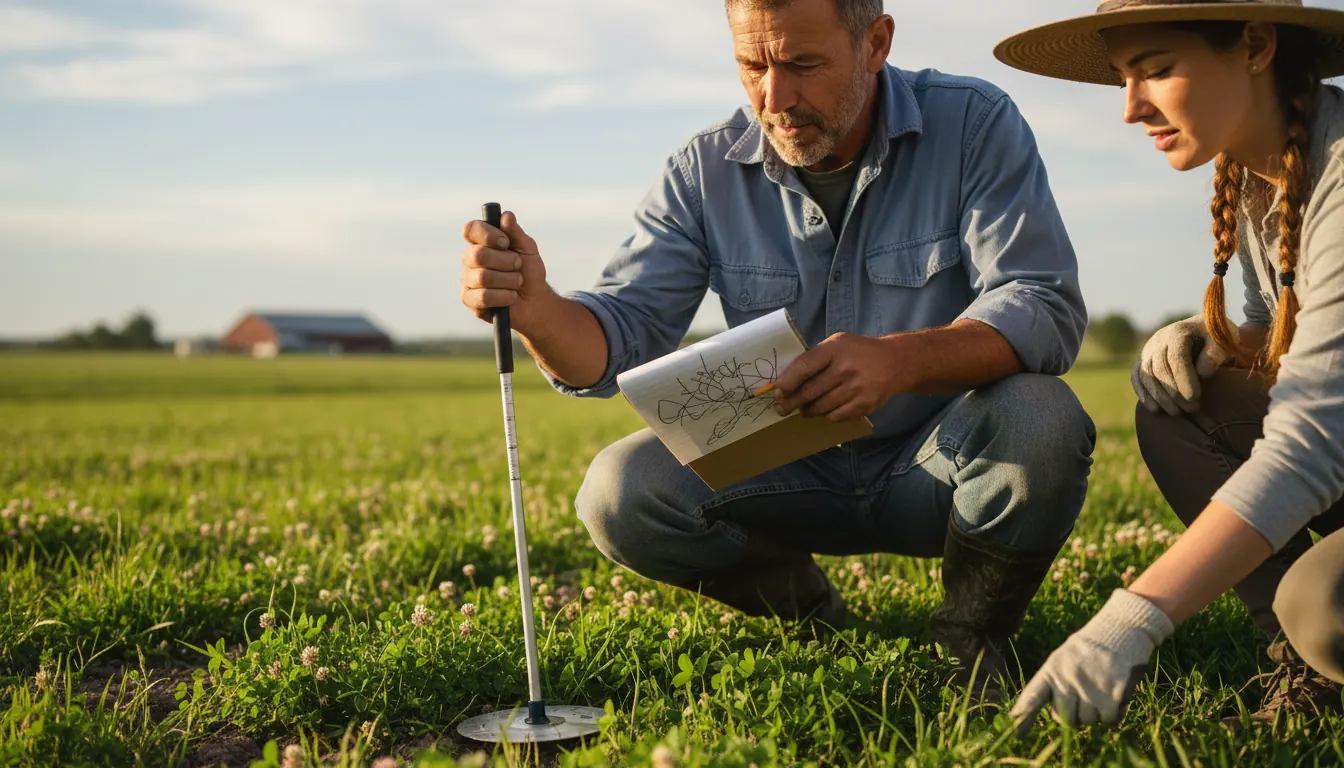
Rotational Grazing Methods for Resilient Farmland
Building resilient farmland requires management strategies that enhance rather than deplete natural resources over time. Rotational grazing methods offer a practical framework for achieving this goal, transforming pastures from static resources into dynamic systems that improve with proper stewardship. By systematically moving livestock through subdivided paddocks, farmers can optimize forage utilization, accelerate soil building, and create agricultural operations that become more productive and stable with each passing season. These methods work across diverse climates and farm scales when adapted thoughtfully to local conditions.
Infrastructure and Planning Fundamentals
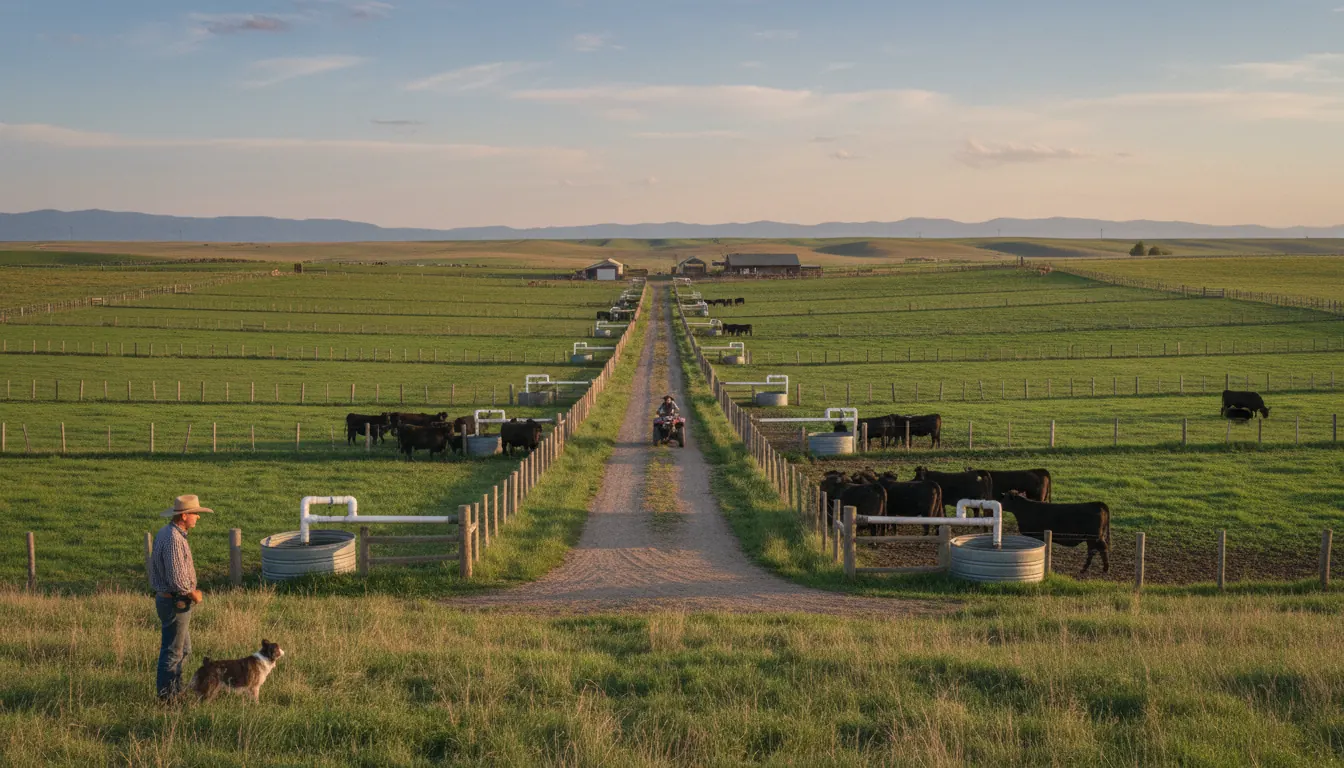
Successful rotational grazing begins with appropriate infrastructure and thoughtful planning. The goal is creating flexible systems that enable precise control over grazing pressure and timing without requiring excessive labor or capital investment. Permanent perimeter fencing provides security, while temporary electric fencing allows easy adjustment of paddock sizes and configurations as needs change. Water access in each paddock prevents underutilization of forage and ensures animal welfare. The optimal layout depends on topography, water sources, and planned stocking rates, but the underlying principle remains constant—infrastructure should enable rather than constrain adaptive management.
- Permanent perimeter fencing establishes secure boundaries while temporary divisions provide management flexibility
- Water systems must deliver adequate supply to each paddock without requiring excessive piping infrastructure
- Paddock sizes should provide 1-3 days of grazing to optimize forage utilization and recovery timing
- Gates and lanes facilitate livestock movement between paddocks without labor-intensive herding
- Shade and shelter considerations become important in extreme weather conditions or exposed terrain
Seasonal Management Strategies
Resilient farmland requires management that adapts to seasonal variation rather than fighting against it. Forage growth rates, animal nutritional needs, and weather patterns all change throughout the year, demanding corresponding adjustments in grazing strategies.
| Season | Growth Pattern | Management Approach |
|---|---|---|
| Spring | Rapid growth exceeds grazing capacity | Fast rotations and hay harvest from excess |
| Summer | Slower growth during heat and dry periods | Longer rest periods and possible destocking |
| Fall | Second growth flush in many regions | Resume faster rotations and stockpile forage |
| Winter | Dormancy in cold climates | Hay feeding and sacrifice paddocks |
"Resilient farmland emerges from management that works with seasonal rhythms rather than imposing rigid schedules regardless of natural growth patterns."
Monitoring and Continuous Improvement
Building farmland resilience requires systematic monitoring and willingness to adjust methods based on observed results. Regular soil testing tracks organic matter, nutrient levels, and pH changes over time. Botanical surveys reveal whether desirable forage species are increasing or declining. Animal performance metrics indicate whether nutrition and health objectives are being met. Financial records show whether ecological improvements translate to economic viability. Ridge Shinn's approach emphasizes this feedback-driven management, treating the farm as a learning system where careful observation and thoughtful experimentation lead to continuous improvement in both ecological function and economic performance.