
Ridge Shinn Beef and Regenerative Agriculture Principles
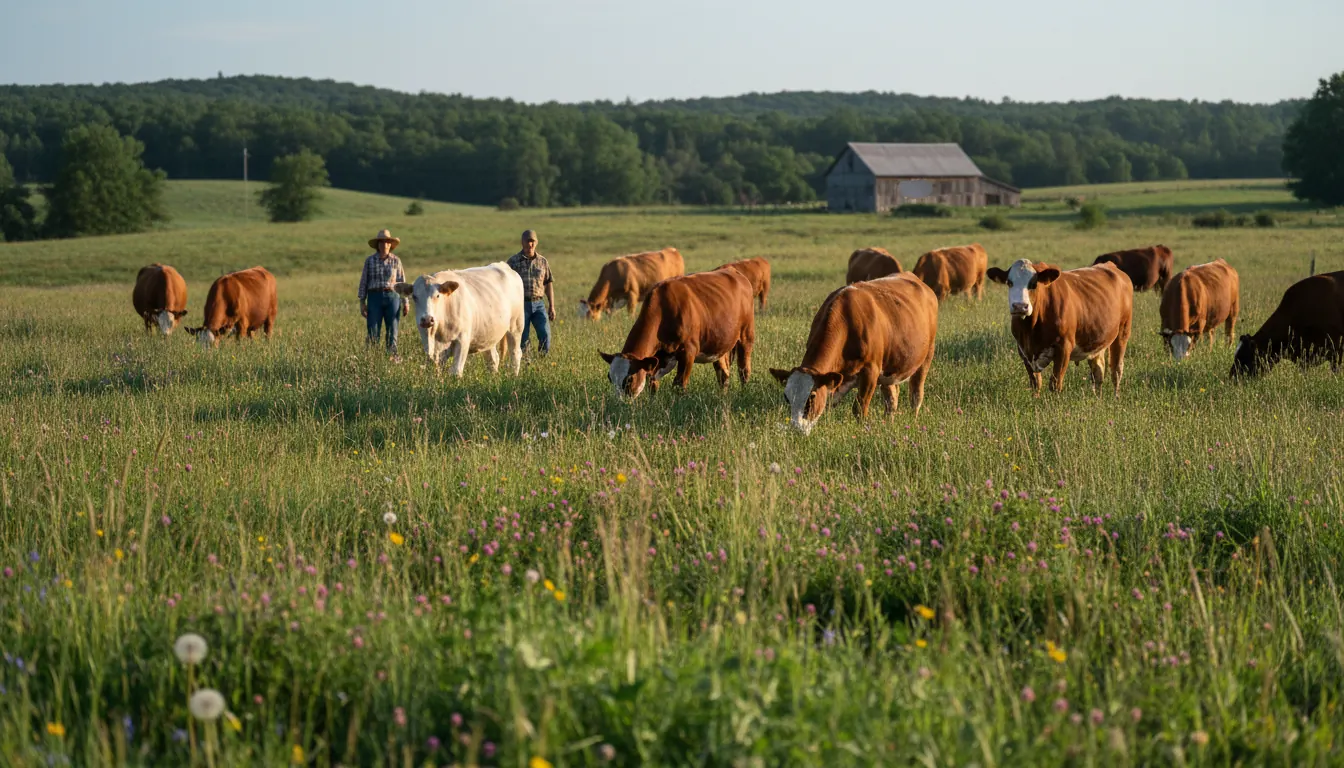
Ridge Shinn beef production exemplifies how regenerative agriculture principles can be applied at commercial scale to rebuild land health while producing high-quality food. Rather than viewing sustainability as a constraint on productivity, this approach recognizes that ecological health and economic viability reinforce each other when farming systems align with natural processes. By focusing on soil biology, plant diversity, and holistic management, Ridge Shinn demonstrates that agriculture can restore degraded landscapes while supporting farming communities and meeting consumer demand for nutritious, sustainably produced food.
Core Regenerative Principles in Practice
Regenerative agriculture rests on several interconnected principles that work together to build ecosystem health. Ridge Shinn's implementation of these principles demonstrates their practical application in grass-fed beef production. Rather than following rigid prescriptions, regenerative approaches adapt to local conditions while maintaining focus on building biological function and closing nutrient cycles. The emphasis shifts from managing symptoms through external inputs to cultivating conditions where beneficial natural processes operate effectively.
- Minimizing soil disturbance preserves soil structure, microbial communities, and organic matter accumulation
- Keeping living roots in soil year-round through perennial forages supports continuous nutrient cycling
- Maximizing plant diversity creates resilient pastures that perform across varying conditions
- Integrating livestock as ecological tools rather than environmental burdens when managed appropriately
Measuring Regenerative Outcomes
Regenerative agriculture claims must be verified through measurable outcomes rather than assumed from practices alone. Ridge Shinn's commitment to documentation and transparency demonstrates how farms can track their progress toward regenerative goals.
| Metric | Measurement Method | Regenerative Indicator |
|---|---|---|
| Soil Organic Matter | Annual soil testing | Increasing percentage over time |
| Plant Species Diversity | Botanical surveys | Greater variety of beneficial species |
| Water Infiltration | Field infiltration tests | Improved water penetration rates |
| Economic Performance | Financial record analysis | Improved margins and stability |
"True regenerative agriculture builds natural capital—soil health, biodiversity, water cycling—that makes farms more productive and resilient over time while reducing external input requirements."
Supporting Farmers and Communities
Regenerative agriculture succeeds only when it provides viable livelihoods for farmers and strengthens rural communities. Ridge Shinn's model addresses this through premium pricing that reflects true production costs, direct marketing that captures more value, and educational outreach that helps other farmers adopt similar practices. This comprehensive approach recognizes that environmental restoration and rural economic vitality are inseparable goals. By demonstrating that regenerative methods can compete with conventional agriculture economically while delivering superior ecological and nutritional outcomes, Ridge Shinn provides a template for transforming food systems toward greater sustainability without sacrificing the welfare of farming communities.